


Between Tempests
This past July, I happened to be at the Peace Palace on the day the World Court delivered its advisory opinion on the obligations of states in respect of climate change (“the Climate Advisory Opinion”).
Highly anticipated by the myriad representatives of states and international organisations gathered from around the world who had participated in the related proceedings, there seemed a special energy surrounding the occasion.
The judgment did not disappoint.
In fact, the Climate Advisory Opinion was one of two advisory opinions delivered by the World Court this year.
The second was delivered in October: on the obligations of Israel in relation to the presence and activities of the United Nations, other international organisations, and third states in and in relation to the Occupied Palestinian Territory (“the Occupation Advisory Opinion”).
Two advisory opinions. Two distinct subjects.
With this short article, I aim to accomplish two things:
To briefly recount the journeys which led to the advisory opinions; and
To highlight key points of international law which have arisen from them.
In the undertaking, I hope to equip you not only with a high-level understanding of the jurisprudence emerged from the World Court this year, but also with an improved picture of international law’s grammar and evolving ambit.
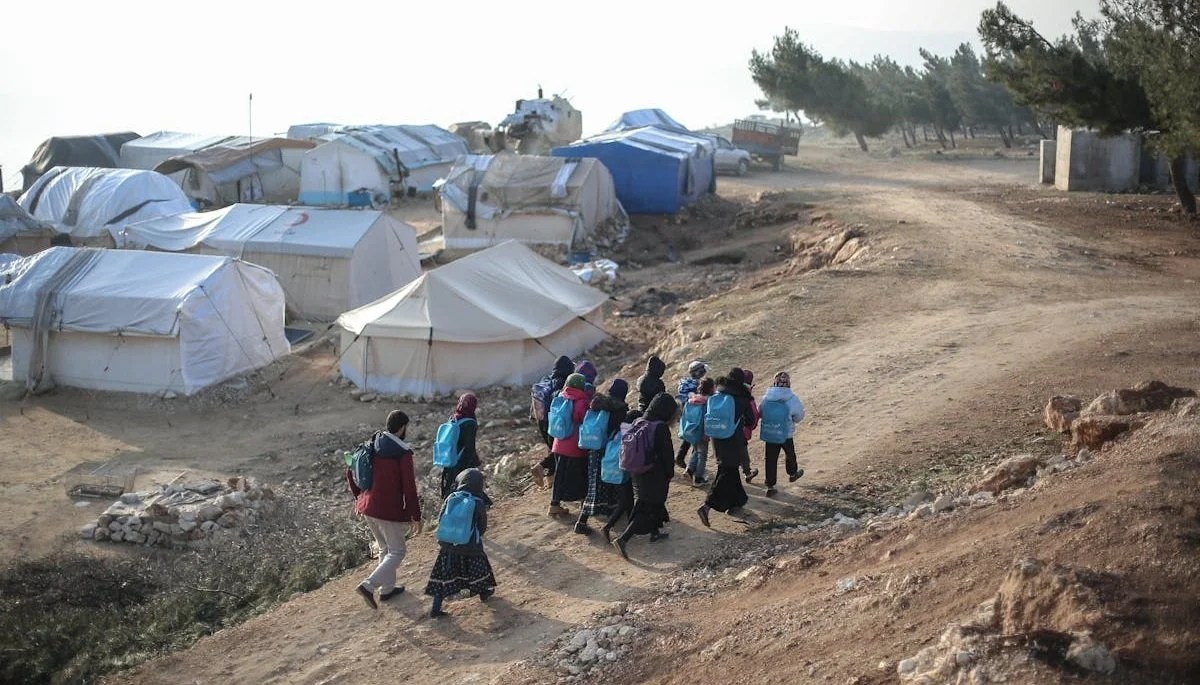
No Place to Stay
In a world both literally and figuratively adrift, it is important to recognise that it is also physically shifting.
With rising sea levels, deepening droughts, and coastlines eroding not only land, but established ways of life, legal regimes and frames of policy are being pressure tested. Across the Asia Pacific and beyond, communities are seeing the water around them inching higher year after year, with relevant policies and formal action seeming to lag behind.
Climate-induced displacement is becoming ever more an unfolding reality than a warning, pressing against the inadequacy of existing legal definitions and the elasticity of development frameworks.
This piece takes up the challenge it poses through two intertwined lenses:
Firstly, the fragmented legal landscape struggling to accommodate a category of mobility it was not designed for; and
Secondly, the development and environmental consequences that seem to be defying containment within juridical borders.
Together, these perspectives reveal a global blind spot that appears to call not only for technical fixes, but a reimagining of responsibility, protection, and even planetary belonging.

Law in the Third Millennium
The way law works today is more complicated than ever.
As the world becomes ever more connected and technology changes how we live and do business, the legal systems that once applied mainly within individual countries now must work alongside international rules and agreements. Whether they pertain to human rights, trade, cybersecurity, or artificial intelligence, laws are no longer just local—they are shaped by global institutions, treaties, and cross-border influences.
This article takes a closer look at how the law both holds things together and serves as a battleground for different interests, using Australia’s legal system as an example. It lightly touches upon the push and pull between national independence and international commitments, the challenges of adapting old legal principles to new global issues, and how governments, businesses, and individuals navigate this increasingly interconnected legal landscape.